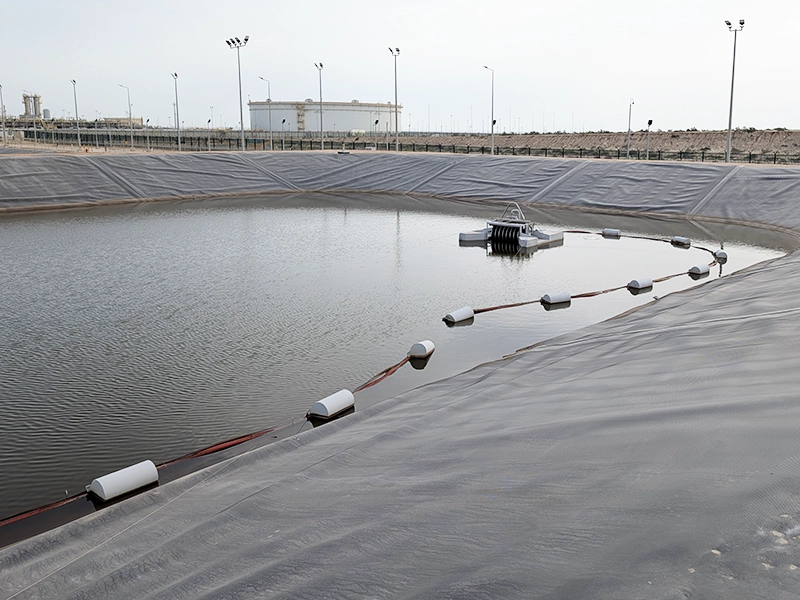
Industrial Oily Water Skimming Systems: Improving Efficiency, Compliance and Environmental Performance
16th Sep 2026Why Oil Removal Matters in Industrial Operations
Across a wide range of industries, oil contamination in water is a common operational challenge. Manufacturing plants, refineries, petro-chemical plants, power stations, steel mills and roads & tunnels all generate or collect oily water as part of their daily operations.
Whether the source is hydraulic oil, lubricants, fuel, cutting fluids, process oils, or contaminated surface run-off, allowing oil to accumulate can create significant environmental, operational, and financial problems.
Effective oil recovery systems help organisations remove oil at source, improve wastewater treatment efficiency, minimise environmental risk, and reduce disposal costs.
The Challenges of Oily Water Management
Even small quantities of oil can have a disproportionate impact on industrial processes and environmental performance.
Common challenges include:
- Oil contamination in cooling water systems
- Hydrocarbon build-up in process tanks
- Oily wastewater entering treatment facilities
- Surface oil accumulation in lagoons and settlement ponds
- Contaminated stormwater run-off
- Increased waste handling and disposal costs
- Environmental compliance concerns
Without an effective removal system, oil can spread rapidly across the water surface, reducing treatment efficiency and increasing the risk of pollution incidents.
How Industrial Oil Skimmers Work
Industrial oil skimmers are designed to remove floating hydrocarbons from the water surface before contamination becomes a larger problem.
Most skimming systems operate on a simple principle: oil adheres to a collection surface while water is largely rejected. The collected oil is then recovered and transferred for recycling, reuse, or disposal. Once oil has been collected safety, water can then be discharged free from the oil.
Different skimming technologies are available depending on the application, including:
Disc Skimmers
Disc skimmers use rotating discs that attract oil from the water surface. As the discs rotate, the oil is scraped off and collected for recovery.
They are particularly effective where:
- Oil layers are relatively thin
- Space is limited
- Continuous operation is required
Vikoma offers a range of disc skimmers ranging from Komara Micro which is a trolley mounted system up to its Maxi disc skimmer with 8 rotating discs capable of recovering up to 14 m3 per hour. The Mini, Midi and Maxi skimmers can be designed for use in hazardous areas classified from non-hazardous up to Zone 0. Skimmers can be made in a range of materials to suit the environment in which the skimmer is situated.
Mop or Belt Skimmers
Belt or Mop skimmers utilise a continuous belt that passes through the contaminated water, carrying oil to a collection point.
They are often suitable for:
- Sumps and pits
- Narrow tanks
- Deep collection areas
- Boreholes
Vikoma’s mop skimmers are available with interchangeable mops to suit the viscosity of the recovered oil.
Weir Skimmers
Where thicker oil layers are present, floating weir skimmers can provide higher recovery rates although oil-to-water recovery ratios are not as efficient as disc skimmers. Vikoma has a range of weir skimmers ranging from the small Dragonfly mini which is suited to difficult to reach areas such as access holes to Dragonfly Maxi suited to larger volume storage tanks in refineries.
The Benefits of Mechanical Oil Recovery
Many facilities still rely heavily on absorbents, manual removal methods, or downstream treatment processes to manage oil contamination.
However, removing oil at the source offers significant advantages.
Reduced Waste Disposal Costs
Recovering free-floating oil before it enters treatment systems can significantly reduce waste volumes and associated disposal expenses.
Improved Treatment Performance
Oil entering wastewater treatment systems can interfere with separation processes and increase maintenance requirements.
Removing oil upstream helps treatment systems operate more effectively and efficiently.
Enhanced Environmental Protection
Early oil recovery reduces the likelihood of contamination reaching drains, waterways, lagoons, or surrounding land. Continuous removal of oil also reduces emissions into the air, improving air quality.
Lower Maintenance Requirements
Oil accumulation can lead to fouling, blockages, equipment wear, and cleaning requirements. Regular skimming helps minimise these issues.
Resource Recovery Opportunities
In some applications, recovered oil can be recycled or reused, reducing both waste and operating costs.
Choosing the Right Skimming System
Selecting the most appropriate skimmer depends on several factors, including:
- Type of oil being recovered
- Oil viscosity
- Thickness of the oil layer
- Tank or lagoon dimensions
- Flow conditions
- Recovery rate requirements
- Environmental conditions
- Installation constraints
A system that performs exceptionally well in a refinery separation tank may not be suitable for a steelworks cooling water pond or a manufacturing plant wastewater sump.
For this reason, a detailed assessment of the application is essential to achieve optimum performance.
Applications for Industrial Oil Skimmers
Industrial oil recovery systems are used in a wide variety of sectors, including:
Manufacturing
Removing lubricants, machining oils, and hydraulic fluids from process water and wastewater systems.
Power Generation
Recovering oils from cooling water systems, drainage channels, and retention ponds.
Refineries and Petrochemical Plants
Recovering hydrocarbons from separation processes and storage facilities and removing oils from settlement ponds.
Mining and Heavy Industry
Removing oils from settlement ponds, water treatment systems, and process areas.
Flood Water and Tunnels
Recovering oils from drainage channels and sumps.
Supporting Environmental Compliance
Environmental regulations continue to place increasing emphasis on pollution prevention and responsible water management.
By removing oil before discharge, treatment, or recycling, industrial skimming systems help organisations support their environmental objectives while reducing operational risk.
Regular oil recovery can form an important part of wider sustainability, environmental management, and pollution prevention programmes.
A Practical and Proven Solution
Managing oily water effectively is not just about compliance. It is about improving operational efficiency, reducing costs, protecting assets, and minimising environmental impact.
Industrial oil skimming systems provide a simple, reliable, and cost-effective method of recovering floating hydrocarbons from water, helping facilities maintain cleaner operations and achieve better environmental performance.
Looking for an Oily Water Skimming Solution?
Vikoma has supplied industrial oil skimming systems to customers worldwide for a wide range of applications, from manufacturing facilities and power stations to ports, refineries, and wastewater treatment operations. Vikoma’s proven range of skimming systems can be tailored to suit specific site conditions and recovery requirements, helping organisations achieve efficient oil removal and improved environmental performance.
Contact Vikoma’s sales team to discuss your application and discover the most effective skimming solution for your facility.
Our Oily Water Skimming Systems